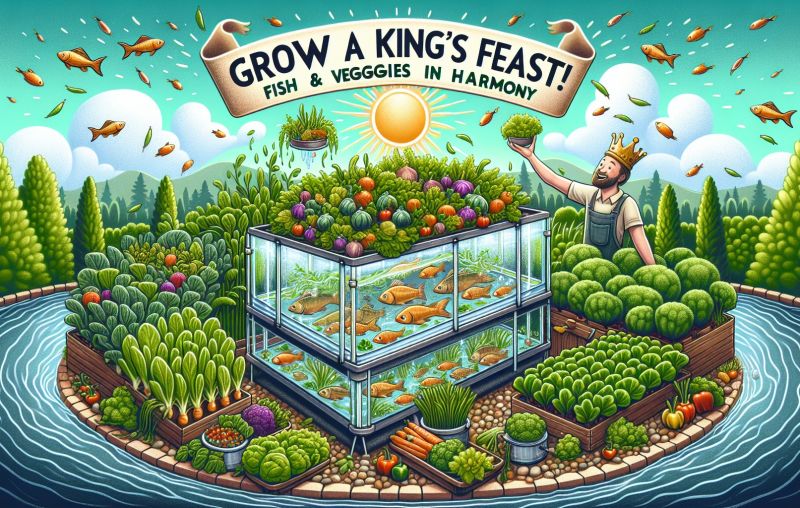

In this blog post, we’ll be diving into the world of aquaponics, a sustainable and efficient way to grow plants and raise fish. We’ll be exploring the fascinating concept of using fish waste to nourish and fertilize plants, creating a self-sustaining ecosystem that benefits both the fish and the plants.
What is Aquaponics?
Aquaponics is a symbiotic system that combines aquaculture (raising fish) and hydroponics (growing plants in water) in a closed-loop environment. The fish waste provides essential nutrients for the plants, while the plants naturally filter and purify the water for the fish. This creates a harmonious and self-sustaining ecosystem that requires minimal intervention and maintenance.
The Aquaponics Setup
The aquaponics setup consists of several key components:
- IBCs (1000 litre tanks) cut in half to create grow beds
- Yabbies (blue clawed yabbies) inhabiting the grow beds
- Volcanic gravel as the growing medium for the plants
- Fish tank housing silver perch
- Experimentation with different systems and setups
The Process
- The water is pumped from the sump up to the fish tank, then distributed into each grow bed.
- The fish waste, consisting of ammonia, is pumped into the grow beds where natural bacteria convert it into nitrates, which are then used by the plants as nutrients.
- The plants, including broccoli, cabbage, and tomato plants, thrive on the nutrients provided by the fish waste, creating a lush and healthy environment.
Experimentation and Observation
- Different systems and setups are being experimented with, including a pyramid-shaped bed and a system made of wood.
- A comparison is made between a system with fish and yabbies and one without, highlighting the difference in plant growth and health.
- The use of natural resources, such as worms from a worm farm, to feed the fish and maintain a self-sustaining ecosystem.
Conclusion
Aquaponics is a fascinating and sustainable method of growing plants and raising fish. By harnessing the power of natural processes and symbiotic relationships, aquaponics offers a glimpse into a more efficient and eco-friendly way of farming. The ability to create a self-sustaining ecosystem with minimal need for external inputs is a testament to the ingenuity and potential of aquaponics.
Join the Aquaponics Journey
If you’re interested in exploring the world of aquaponics and experiencing the benefits of this sustainable and efficient farming method, consider starting your own aquaponics system. With a bit of experimentation and observation, you can create a thriving ecosystem that provides both food and nourishment in a harmonious and eco-friendly manner.
In conclusion, aquaponics is an exciting and innovative approach to farming that holds great promise for the future of sustainable agriculture. With its ability to create a self-sustaining ecosystem and minimize the need for external inputs, aquaponics offers a glimpse into a more efficient and eco-friendly way of growing plants and raising fish.